

Winter used to be the season when I stayed indoors, wrapped myself in a blanket, and waited for spring to finally show up. But over the years, I’ve learned that winter can be one of the best times to explore national parks. Some parks turn into magical snowy wonderlands with frozen waterfalls, steaming geysers, and quiet trails. Others warm up just enough to give you the perfect escape from chilly weather back home. And because winter is the off-season for most parks, you get fewer crowds, cooler temperatures for hiking, cheaper lodging, and a whole different type of beauty that you don’t always get during summer trips.
So in this guide, I’m sharing the best national parks to visit in winter—from icy, dramatic landscapes to warm, sunny escapes. Whether you want snowshoeing, geysers, frozen lakes, milder desert hikes, or just some quiet time away from crowds, there’s a winter national park for every style of traveler.
I haven’t visited every national park in winter yet (the list is long!), but the ones I’ve explored have totally changed how I think about this season. That peaceful feeling of standing in a snow-covered forest, or the excitement of hiking in the desert under mild winter sunshine—it all sticks with you. And even the parks I haven’t been to yet are high on my bucket list because winter really brings out their best features.
Let’s dive into the parks that make winter feel like one of the coolest seasons to explore the outdoors.
Best Cold & Snowy National Parks to Visit in Winter
Winter transforms several national parks into peaceful, snowy playgrounds. These cold-weather spots offer snowshoeing, cross-country skiing, winter wildlife viewing, and some of the best landscapes you’ll ever see.
1. Yellowstone National Park in Winter

If there’s one park that feels built for winter, it’s Yellowstone. When snow covers the ground and steam rises from hot springs, the landscape looks like a scene from another planet. Winter is also one of the best times for wildlife viewing—bison, wolves, elk, and foxes wander across the snowy terrain, making photography truly unforgettable.
Because many roads close in winter, most visitors explore Yellowstone through snowmobile or snowcoach tours, which adds a fun twist to the experience. The mix of frozen waterfalls, quiet trails, and steaming geysers makes Yellowstone one of the most unique national parks in the winter season.
2. Yosemite National Park in Winter
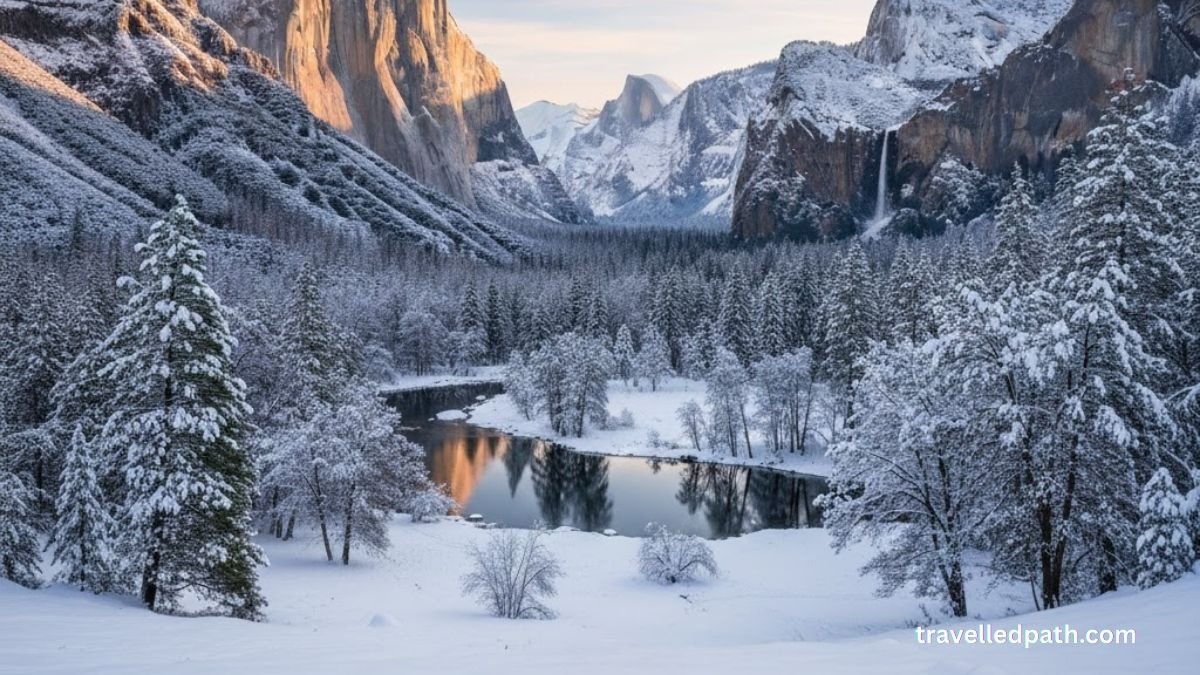
Yosemite is amazing in every season, but winter gives it a calm, peaceful atmosphere that feels completely different from the busy summer months. You’ll see icy waterfalls, snowy cliffs, and bright winter light hitting granite walls. Winter views of Half Dome and El Capitan feel almost unreal.
Winter also brings opportunities for winter hiking, snowshoeing, and beautiful winter photography. With fewer crowds, Yosemite Valley feels more open and quiet. If you’ve ever wanted to see a popular park without the chaos, Yosemite in winter is perfect.
3. Grand Canyon National Park (South Rim)
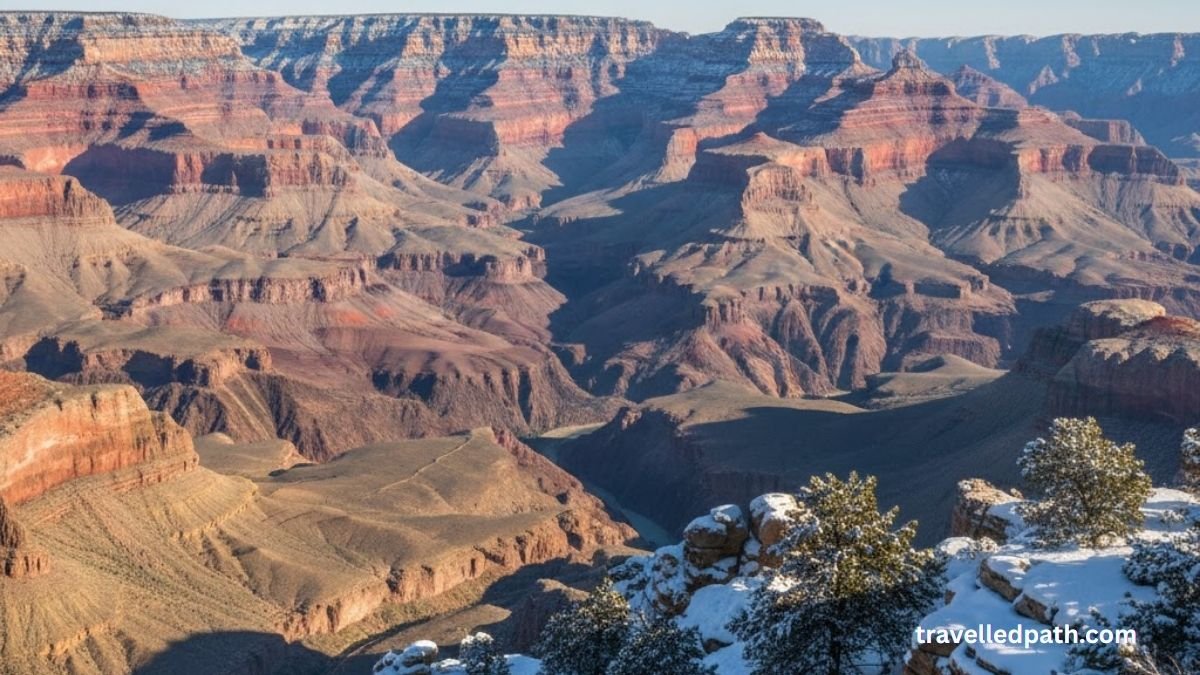
Most people picture the Grand Canyon under blazing sunshine, but the South Rim in winter is stunning. Snow on the canyon edges creates bright contrasts, and the crisp air makes the colors stand out even more.
While the North Rim is closed during winter, the South Rim stays open and offers excellent sunrise and sunset viewing, winter hiking, and photography. With fewer visitors, this massive landscape feels even more dramatic and peaceful.
4. Rocky Mountain National Park in Winter
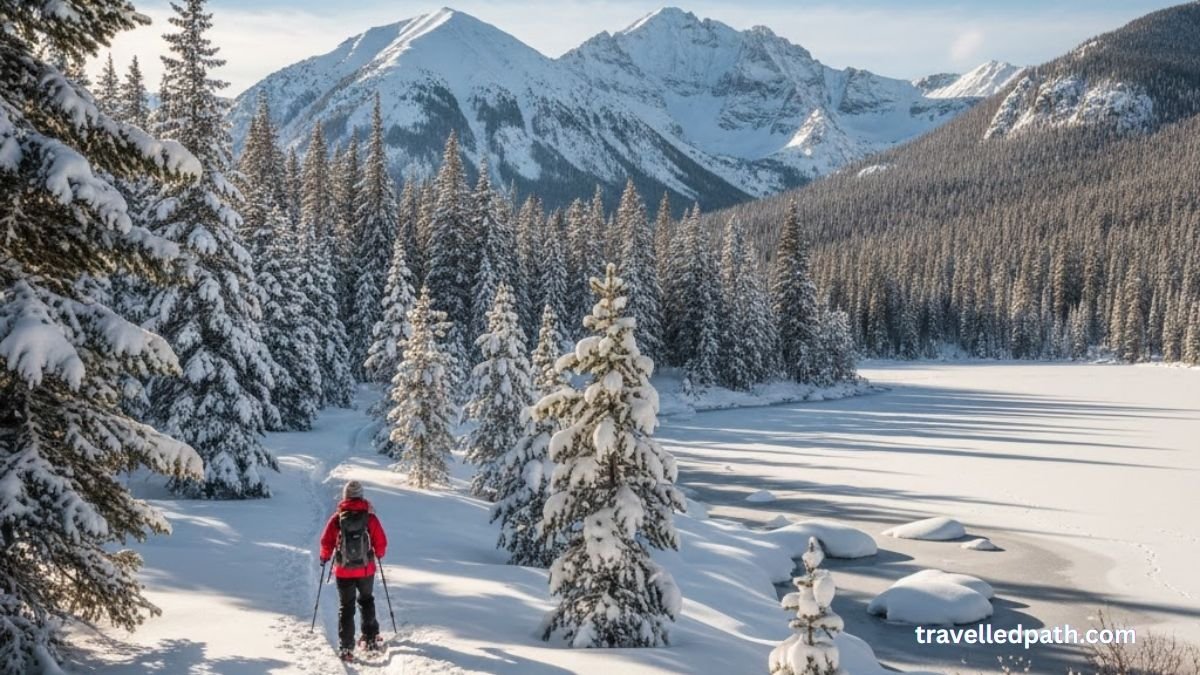
If you love winter adventure, Rocky Mountain National Park is for you. This park becomes a playground for snowshoeing, cross-country skiing, and spotting wildlife like elk wandering through snowy meadows.
Because winter conditions can bring deep snow and strong winds, it’s important to check road conditions, especially in higher elevations. Avalanche zones also exist, so staying on marked trails is key. Even with the cold weather, the stunning winter scenery makes this park worth visiting.
5. Bryce Canyon National Park
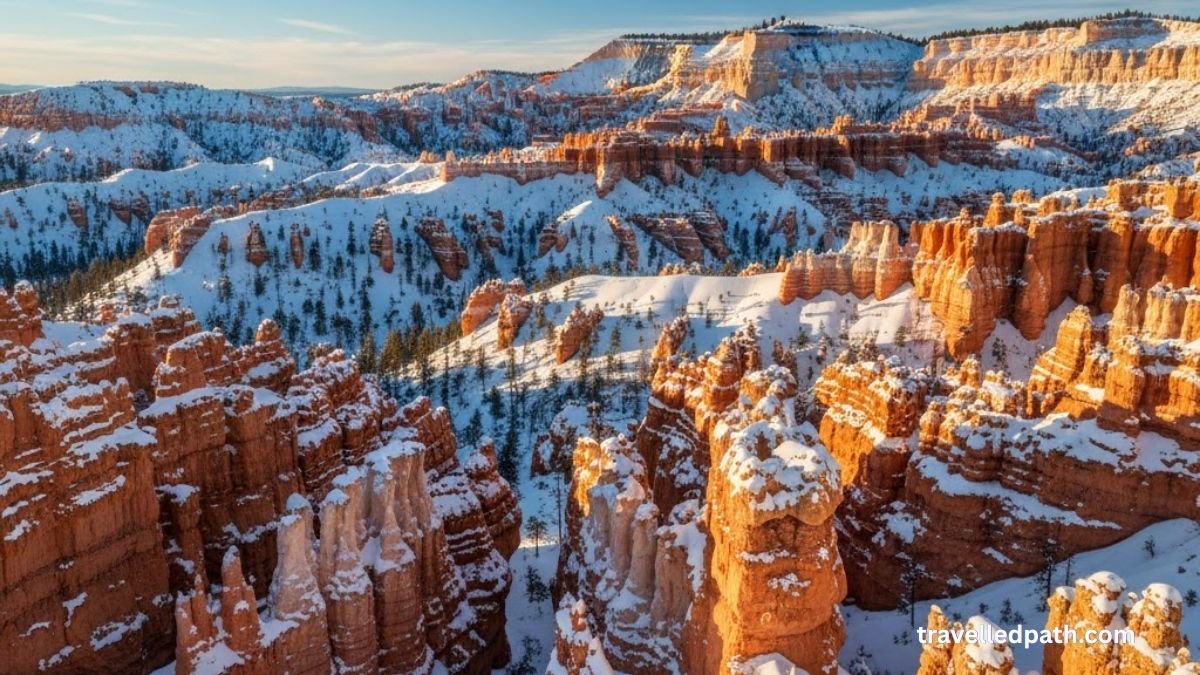
Bryce Canyon looks beautiful all year, but winter might be the best time to see it. Snow-covered hoodoos create incredible scenery, and sunrise lights up the landscape with warm orange and pink colors.
Winter hikes like the Rim Trail or Navajo Loop are breathtaking, and the cooler temperatures make exploring more comfortable. Bryce is also known for being one of the least crowded parks in winter, giving you wide-open views without the rush of summer travelers.
6. Zion National Park in Winter
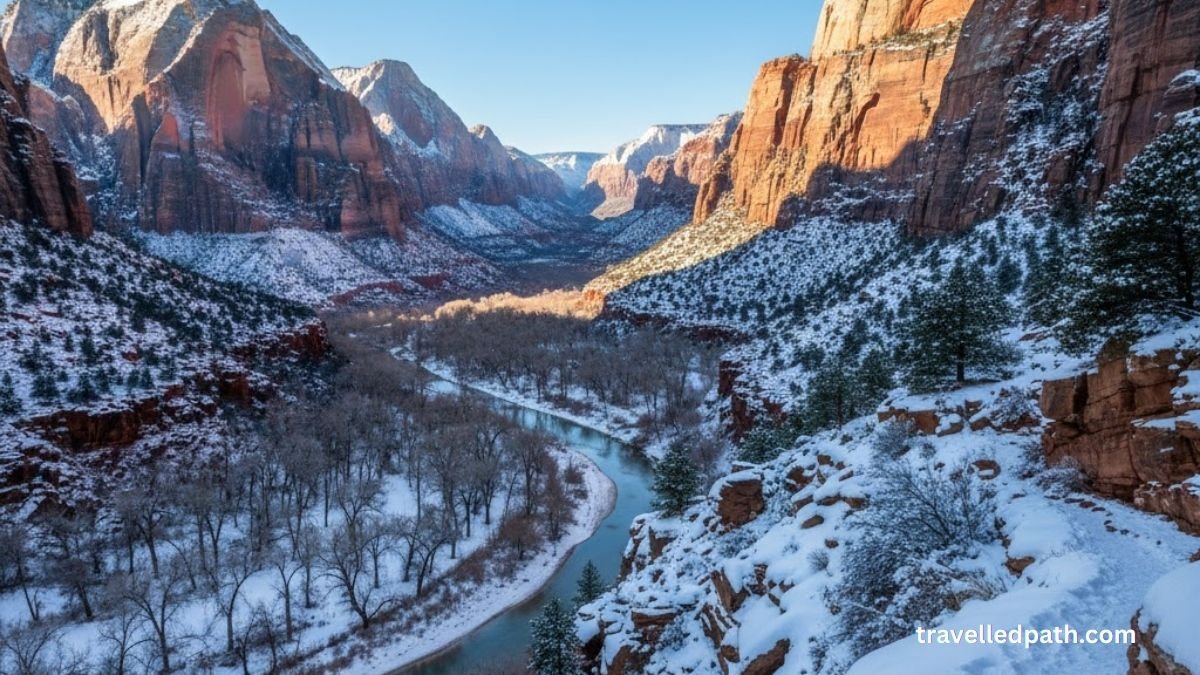
If you’ve visited Zion in summer, you know how hot and crowded it can get. Winter completely changes the experience. The cooler temperatures make popular hikes much easier, and the park is far less crowded.
You may see snow dusting the canyon walls, which makes for stunning photography. Winter is also a great time for hiking trails like Canyon Overlook or Emerald Pools. The lack of summer heat makes Zion one of the best national parks to visit in winter if you want a balance of cold beauty and easy access.
7. Arches National Park in Winter
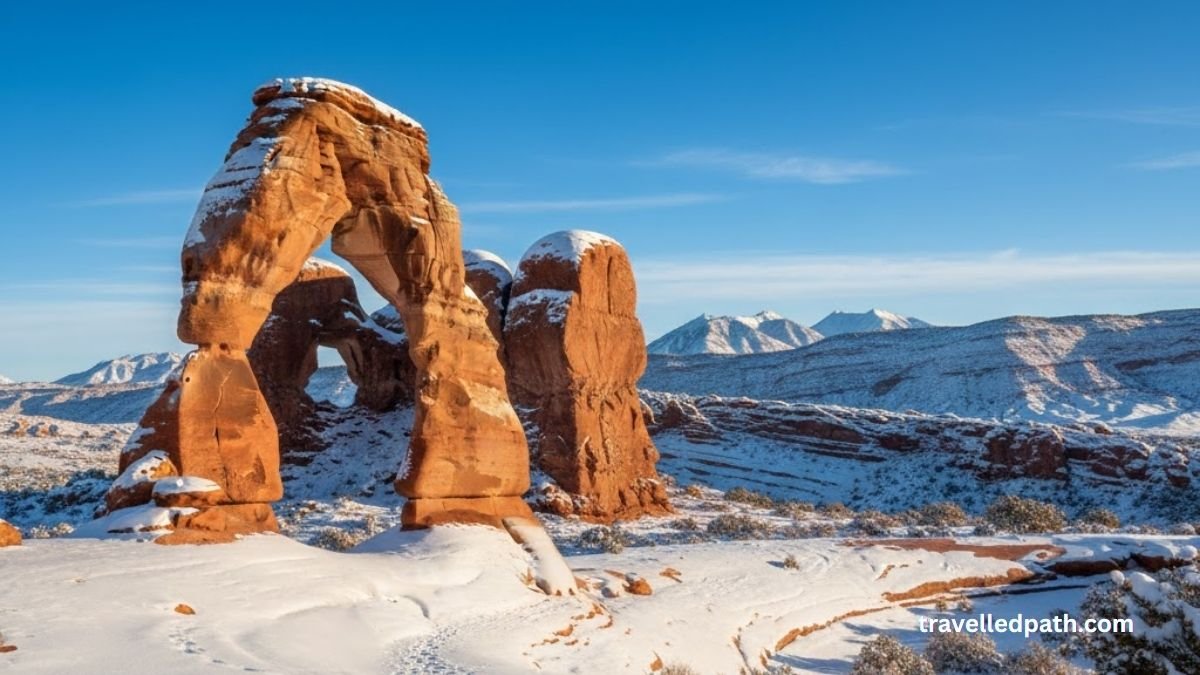
Winter is one of the best seasons for Arches National Park because the temperatures are mild, the crowds are low, and the red rock formations look amazing under softer winter light.
Popular spots like Delicate Arch or Balanced Rock feel peaceful without the usual summer crowds. Winter photography here is fantastic, especially after rare dustings of snow that highlight the shapes of the arches.
8. Grand Teton National Park in Winter
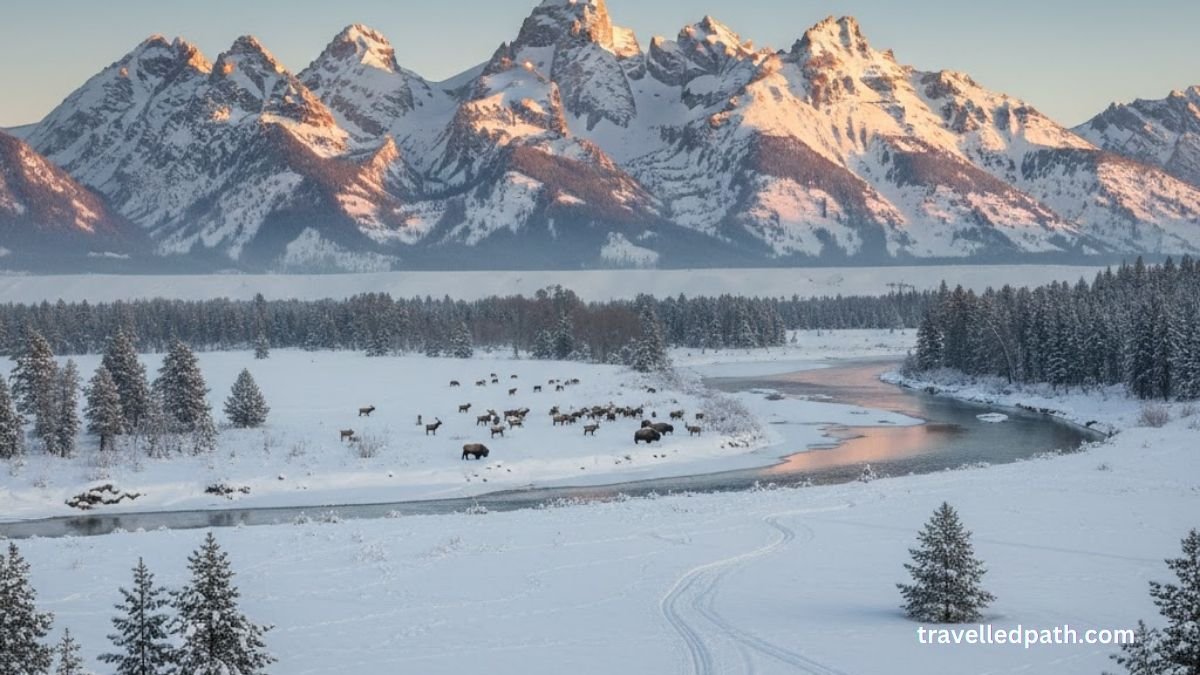
The Tetons are beautiful any time of year, but winter adds a quiet, almost wild feeling to the landscape. Snow-covered mountains rise dramatically over frozen lakes and wide meadows.
Winter activities include snowshoeing, cross-country skiing, and guided wildlife tours where you might spot bison, moose, elk, and foxes. If you like peaceful landscapes and cold, crisp mornings, this park is unforgettable in winter.
Best Warm & Mild-Weather National Parks in Winter
Not everyone wants snow in winter. Thankfully, the U.S. has plenty of national parks that offer sunshine, warm temperatures, and perfect outdoor conditions during cooler months.
9. Everglades National Park
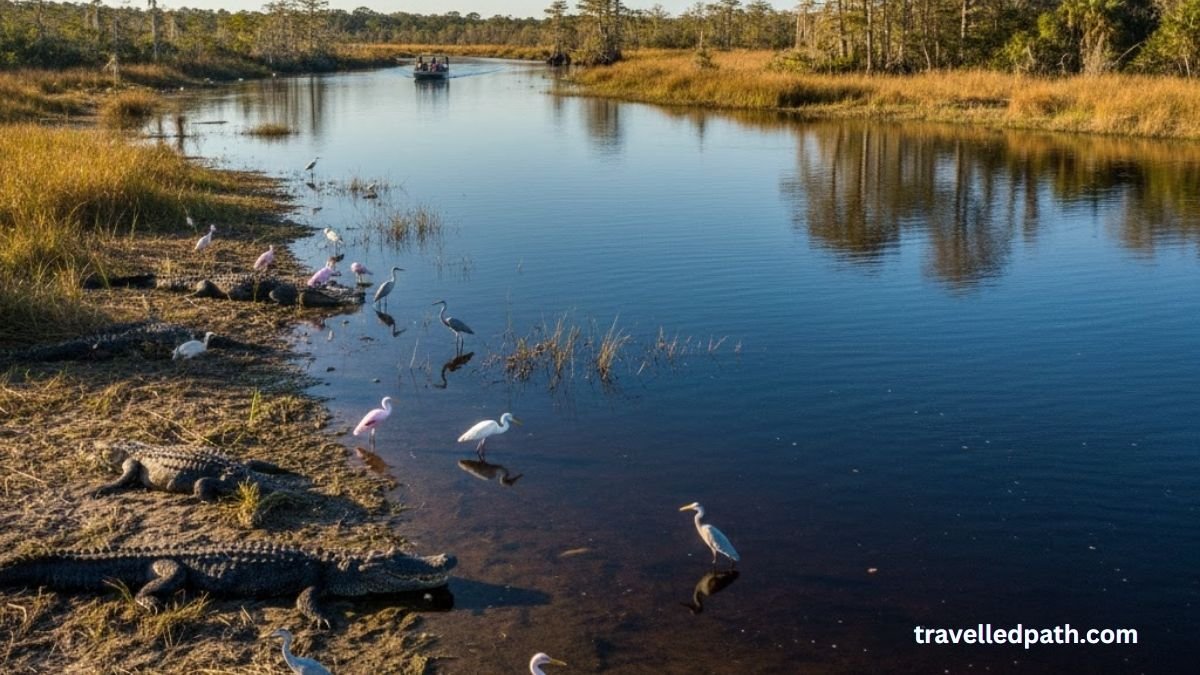
Winter is the best season to visit the Everglades because it’s the dry season—less humidity, fewer mosquitoes, and perfect temperatures for exploring.
This time of year is great for wildlife viewing, including alligators, birds, manatees, and turtles. Winter trails and boardwalks are easy to access, and the peaceful marsh landscapes look incredible under the clear winter sun.
10. Death Valley National Park in Winter
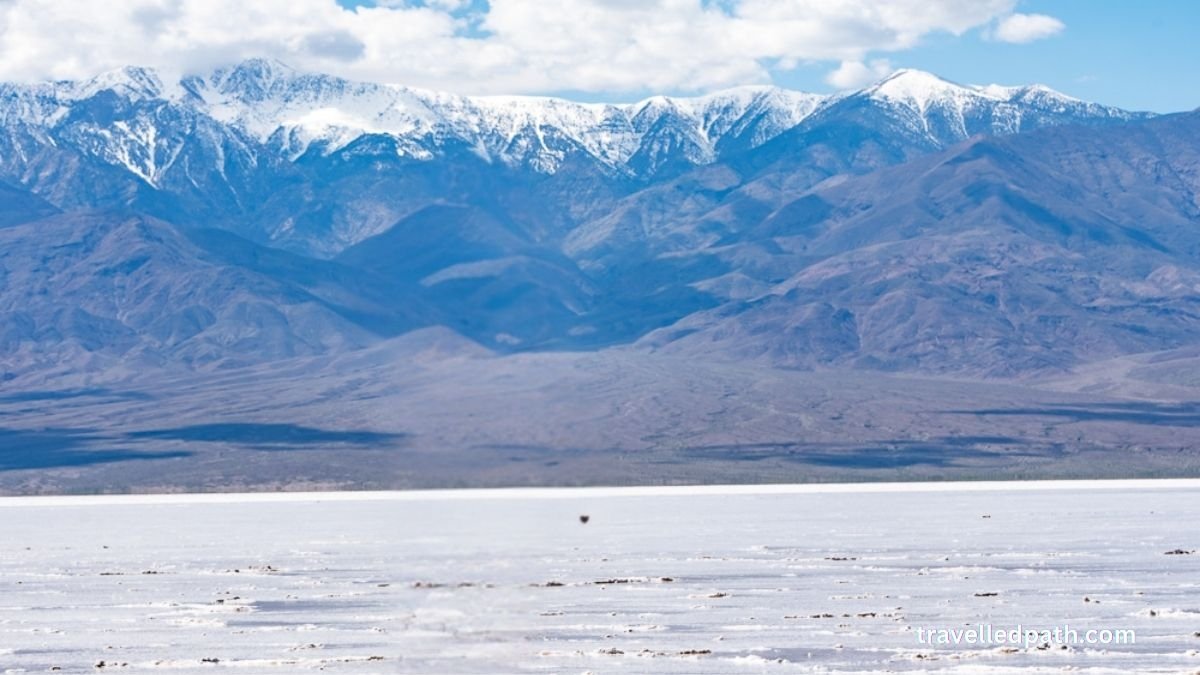
Death Valley is one of the warmest national parks in winter, making it an ideal escape for travelers who want sunshine instead of snow. Winter temperatures stay comfortable, perfect for hiking, scenic drives, and exploring viewpoints like Zabriskie Point and Dante’s View.
Because summer here is brutally hot, winter is the season when this park truly shines.
11. Joshua Tree National Park
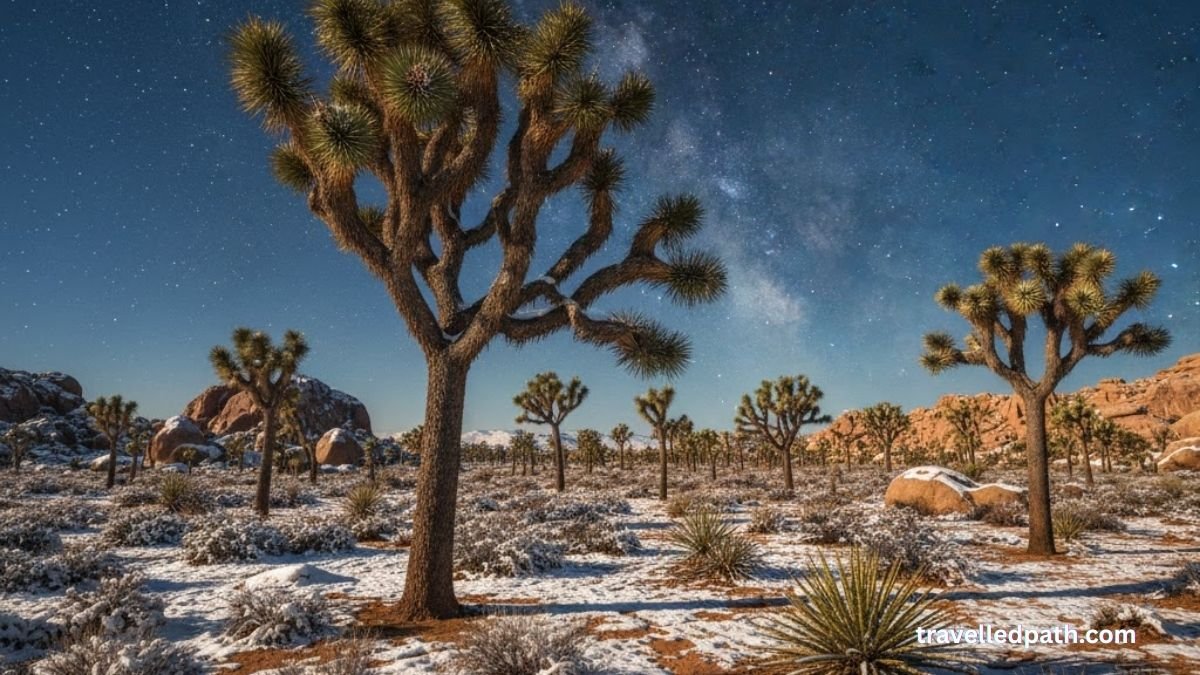
Joshua Tree is famous for its interesting rock formations and dark, star-filled skies. Winter brings mild weather, making hiking and rock climbing much more enjoyable.
Nighttime temperatures get cool, but the crisp desert air is perfect for stargazing. Daytime hikes like Hidden Valley or Ryan Mountain become much more doable compared to hot summer days.
12. Saguaro National Park Winter
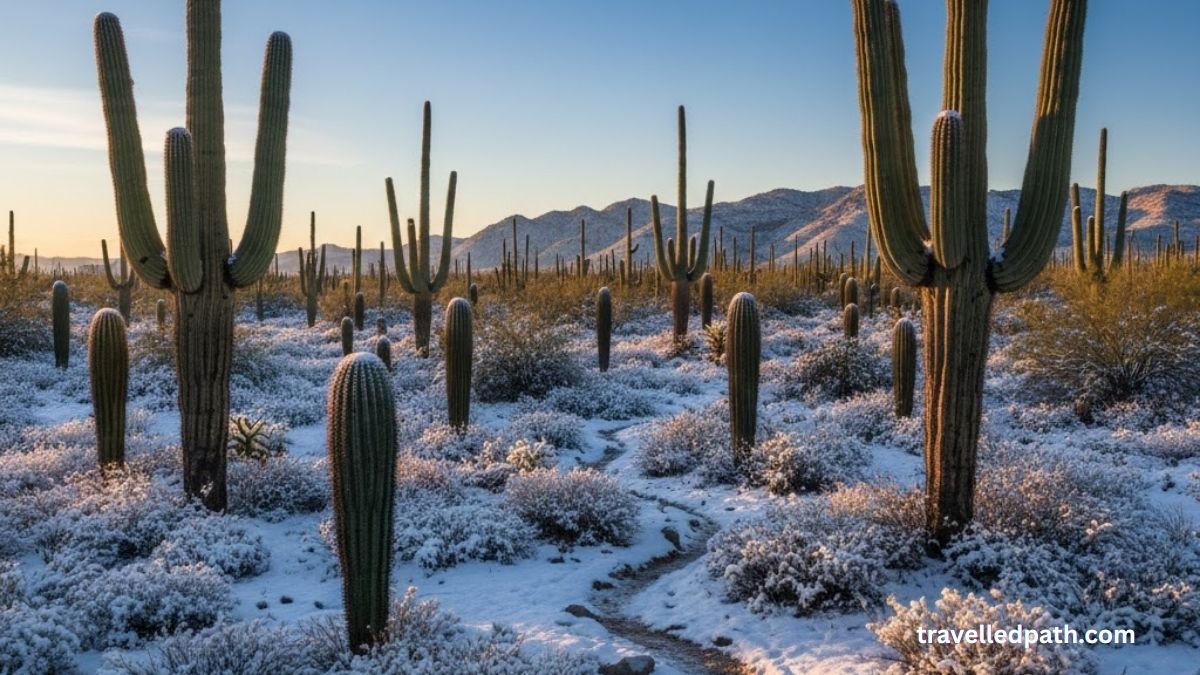
Winter is a great time to visit Saguaro National Park because the temperatures are comfortable, and you can enjoy long hikes without the summer heat.
You’ll see giant saguaro cacti, desert wildlife, and beautiful sunsets. Winter is also great for photography because the soft light creates warm tones across the desert landscape.
13. Big Bend National Park Winter
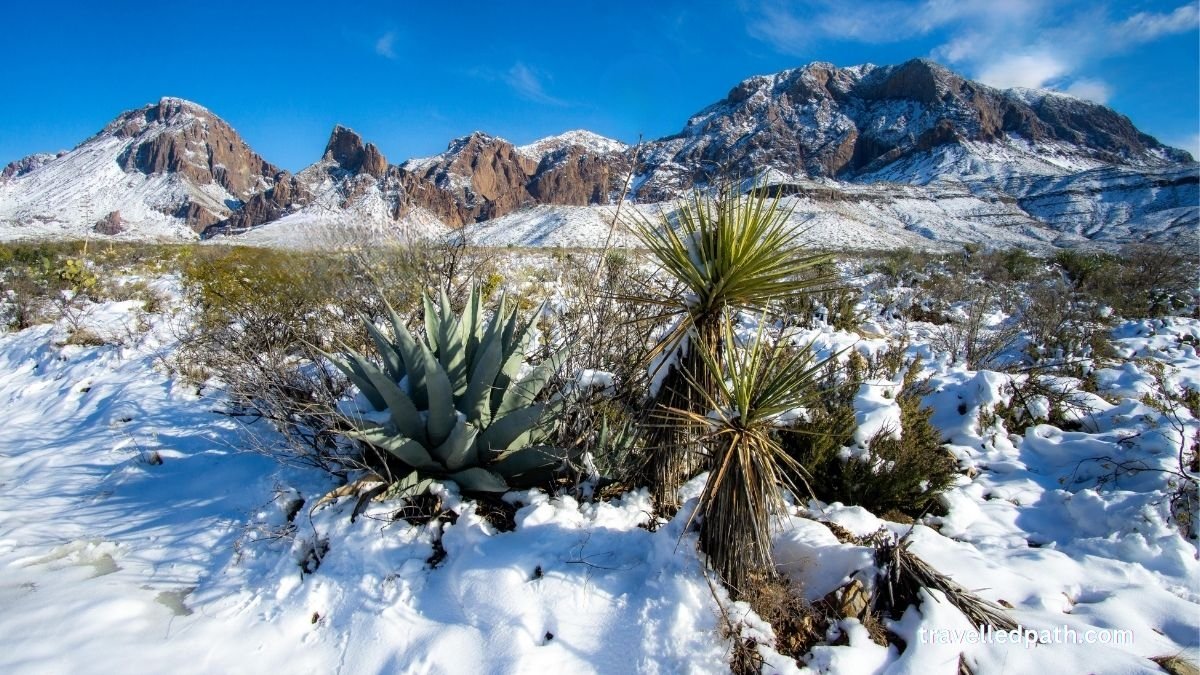
Big Bend is one of the most underrated warm-weather parks in winter. The cooler temperatures make hiking through the desert much easier, and the views of the Rio Grande and canyon walls are stunning.
Wildlife is active, the skies are clear, and the park is far less crowded than in spring.
14. Hawaiʻi Volcanoes National Park
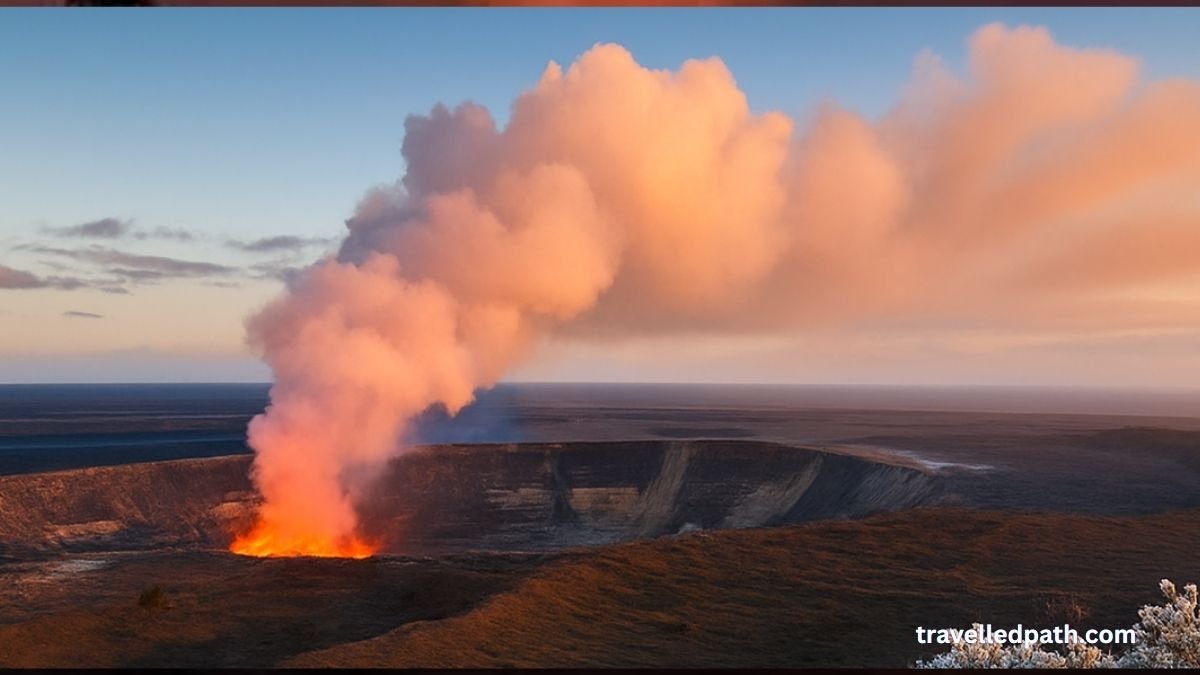
If you’re dreaming of warm weather and tropical scenery, this park is a perfect winter destination. Winter temperatures stay comfortable, and the mix of lush forests, volcanic craters, and coastal cliffs makes every view interesting.
Winter is also a good time for spotting marine life along the coast.
15. Channel Islands & Dry Tortugas
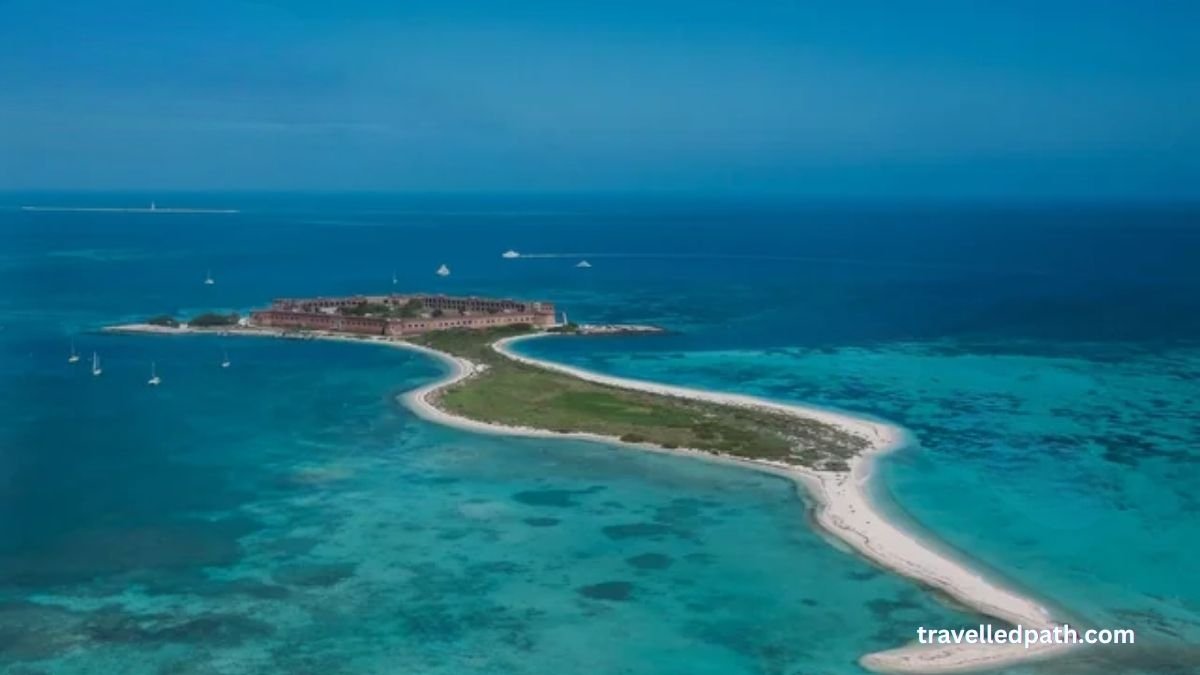
For warm ocean breezes and peaceful island landscapes, these parks are excellent winter choices. The mild weather makes hiking, kayaking, snorkeling, and wildlife watching especially enjoyable.
Best Winter Activities in National Parks
Winter brings different activities depending on where you go. Some parks feel like snowy playgrounds, while others offer sunny day hikes perfect for avoiding cold weather back home.
Top winter activities include:
- winter hiking
- snowshoeing
- cross-country skiing
- winter wildlife viewing
- frozen waterfall photography
- stargazing
- snowmobile tours
- ranger-led winter programs
- exploring geothermal areas
These winter activities help travelers see parks from a fresh perspective, turning familiar landscapes into something brand new.
Why Some National Parks Are Better in Winter
- Fewer crowds
Winter is the off-season in most national parks, so you get quieter trails, peaceful viewpoints, and easier access to popular spots.
- Cooler temperatures for hiking
Desert parks like Death Valley, Big Bend, and Saguaro feel perfect in winter.
- Unique winter scenery
Frozen lakes, snowy cliffs, steam rising from hot springs, and crisp winter sunlight create scenes you simply don’t get in summer.
- Better wildlife viewing
Animals are easier to spot in snowy landscapes or in mild winter climates during migration season.
- Lower travel costs
Winter often brings cheaper lodging and less competition for campsites.
Winter Travel Tips & Planning Guide
1. Winter Weather & Road Conditions
- Roads like Tioga Pass, the North Rim, and higher mountain drives often close for the entire season.
- Tire chains may be required in snowy parks.
- Always check winter road conditions before driving into mountain areas.
2. Safety & Backcountry Tips
- Avalanche zones exist in parks like Rocky Mountain and Grand Teton.
- Keep an eye on shorter daylight hours.
- Stay on marked trails to avoid icy areas.
3. Winter Packing List
For snowy parks, bring:
- warm layers
- traction devices
- waterproof boots
- insulated gloves and hats
- hand warmers
- winter photography gear
For warm parks, pack:
- sunscreen
- light layers
- plenty of water
- sturdy hiking shoes
4. Winter Lodging & Campground Tips
- Some lodges close in winter, especially in high-elevation parks.
- Campgrounds may have limited services.
- Winter passes and entrance fees work the same, but parking is much easier.
Conclusion
Winter is one of the most rewarding times to explore America’s national parks. Whether you want snow-covered mountains, peaceful desert sunshine, fewer crowds, or a completely new perspective on familiar landscapes, winter brings out the magic in every park. From steamy geysers in Yellowstone to warm tropical breezes in Hawaiʻi Volcanoes, each place offers something special this season.
If you’re looking for your next adventure, winter might just become your favorite time to explore the great outdoors.
You Might Also Like:
New England foliage road trip ideas
New Hampshire fall foliage guide
Romantic getaways from Boston
Best things to do in Waikiki: A complete Travel Guide
10 Best Things to Do in Bar Harbor, Maine: A Complete Guide
FAQs
Which national parks are best in winter?
Yellowstone, Yosemite, Bryce Canyon, Death Valley, Everglades, and Zion top the list.
What are the warmest national parks in winter?
Death Valley, Big Bend, Saguaro, Everglades, and Hawaiʻi Volcanoes offer warm winter weather.
Are national parks open in winter?
Most stay open, but some roads and services close—especially in mountain parks.
What parks get the most snow in winter?
Yellowstone, Rocky Mountain, and Bryce Canyon often get heavy snow.
Is winter good for hiking?
Yes! Winter hiking is excellent in both desert parks (mild temps) and snowy parks (with proper gear).
Are winter national park trips safe?
Yes—just check weather conditions, stay on marked trails, and pack proper clothing.
Are national parks cheaper in winter
They can be! Off-season national park travel often means lower lodging rates outside the park, and the peace is priceless.